


Owner’s Rep 101: A Back-to-Basics Guide for Capital Projects
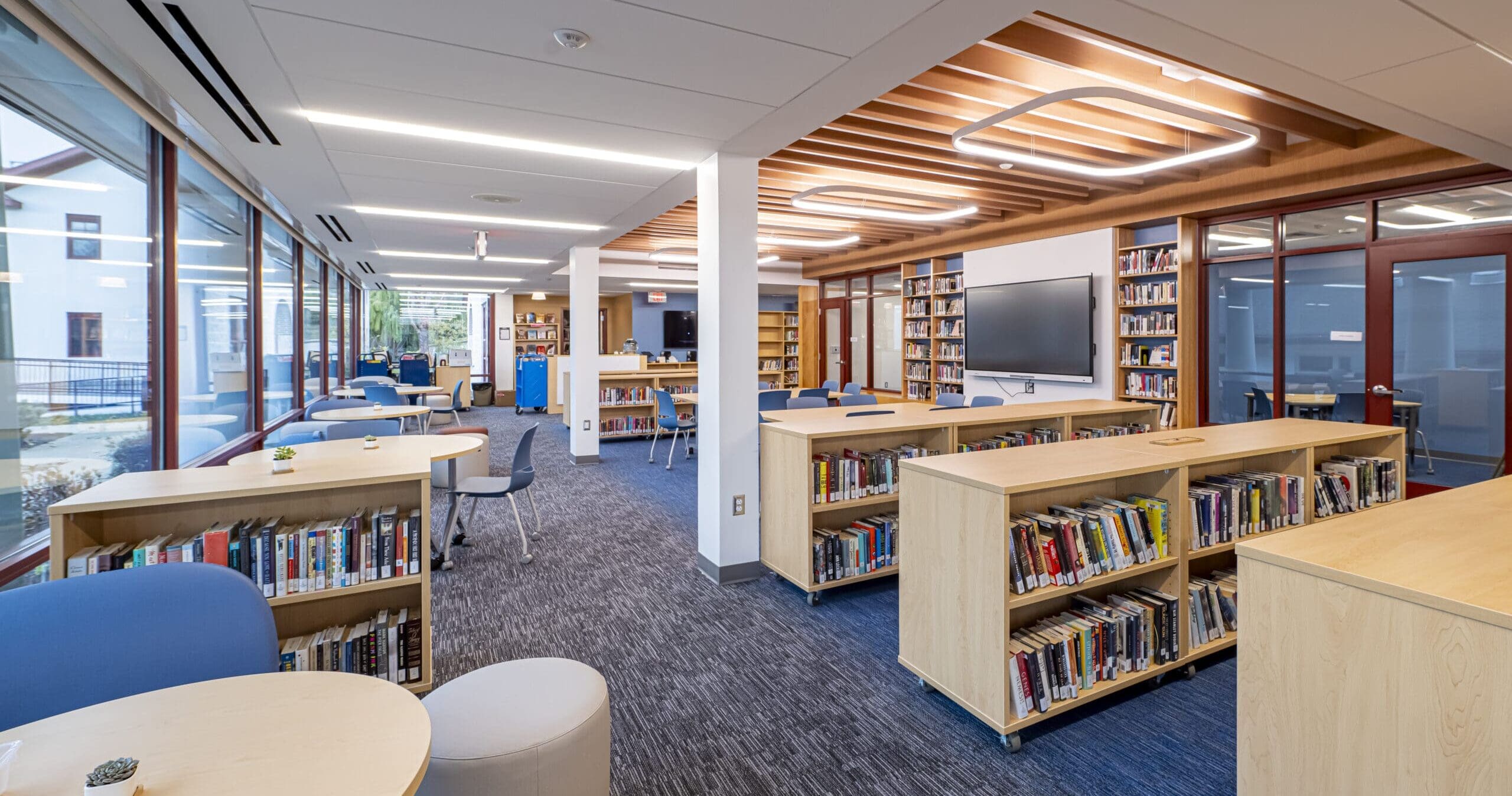
Back-to-school season is a good reminder that fundamentals matter. The same is true for capital projects. Cap Ex supported the Key School on the library renovation pictured above.
Introduction
Every fall, students head back to school and return to the fundamentals. For organizations considering a capital project, this is a good time to do the same.
Before the drawings, estimates, contracts, and construction meetings begin, owners should answer a basic question: Who is looking at the entire project from the owner’s perspective?
The architect, contractor, construction manager, engineer, and specialty consultants each have a defined role. An Owner’s Representative has a broader view that includes scope, budget, schedule, contracts, procurement, operations, risk, and decision-making.
So, in the spirit of going back to school, here are five lessons every owner should understand before starting a capital project.
Lesson 1: Do Your Homework Before Design Begins
Some of the most important work happens before design begins.
Owners need to understand what they are trying to accomplish, what they can realistically afford, how the project will be funded, what operational constraints exist, and who will make decisions. Depending on the project, that early work may include a facility assessment, feasibility study, programming, master planning, preliminary budgeting, or evaluation of alternative approaches.
There is always pressure to get started, particularly when funding becomes available or a project is needed to meet a critical need. But moving into design before basic questions are answered can create problems that follow the project for months or years.
As an architect, I saw firsthand how difficult it can be to design effectively when scope, budget, or owner expectations are still moving. As an Owner’s Representative, I now spend considerable time helping clients address those issues before they become design or construction problems.
Lesson 2: Know Who Sits on Your Side of the Table
Capital projects bring together professionals with different responsibilities.
The architect is responsible for design and construction documents. The contractor or construction manager is responsible for construction. Engineers and specialty consultants address their respective areas of expertise.
An Owner’s Representative works across the various disciplines on behalf of the owner, helping leadership understand recommendations, evaluate alternatives, manage risk, and make informed decisions. We are not there to replace the architect or manage the contractor’s means and methods. We are there to make sure the owner has an experienced voice at the table throughout the process.
For organizations that may only undertake a major capital project once every decade or two, that experience can be particularly valuable.
Lesson 3: Don’t Wait Until Construction to Start Managing Risk
Owners sometimes think of project management as something that becomes most important when construction begins. By then, many of the project’s biggest decisions have already been made.
Scope has been established. The design has advanced. Budgets have been developed. Consultants and contractors may have been selected, and contracts negotiated. Permitting and procurement are underway. Each of those decisions can affect what happens during construction.
Good owner’s representation starts early enough to identify risks while there are still reasonable options for addressing them. A budget problem identified early in design is very different from the same problem discovered after bids are received. A scope question during design is far easier to manage than a change requested after construction begins.
Over the years, I’ve found that solving problems early is almost always less disruptive — and less expensive — than solving them in the field.
Good owner’s representation starts early enough to identify risks while there are still reasonable options for addressing them.
Lesson 4: Ask The Right Questions
Capital projects generate an enormous amount of technical information: drawings, specifications, estimates, schedules, contracts, change orders, submittals, reports, and recommendations.
Owners should not be expected to become experts in all of it, but they need to know which questions to ask at the right time.
My architectural background is particularly useful here as I understand how design teams work and how drawings develop. As an Owner’s Representative, I now evaluate that information from the other side of the table.
Lesson 5: Keep a Report Card on the Project
Once a project is underway, owners need a clear and consistent picture of where things stand.
That doesn’t mean another hundred-page report. It can mean a snapshot – or a “report card” – that shows where a project stands and where attention is needed. A good report card should detail progress against budget and schedule, outstanding decisions, and emerging risks. It should help answer the question: are we delivering the project the organization originally set out to accomplish?
This becomes especially important for nonprofit and mission-driven organizations where project decisions may involve executive leadership, boards, donors, staff, and other stakeholders. Those groups need enough information to make informed decisions without being buried in details.
A good report card should detail progress against budget and schedule, outstanding decisions, and emerging risks.
Closing
Back-to-school season is a good reminder that fundamentals matter. The same is true for capital projects.
After years on the design side of the table and now representing owners, I’ve seen projects encounter problems for all kinds of reasons. But many of the most difficult issues can be traced back to decisions that were unclear, deferred, or made without enough information early in the process.
An Owner’s Representative cannot eliminate every surprise. What we can do is help owners prepare for them, understand their options, and make informed decisions as a project moves ahead.
Ready to take the next step? We’d love to chat with you!
